Bhuleshwar Temple

About

Bhuleshwar Temple, Mumbai is one of the oldest and most revered Hindu temples in South Mumbai, dedicated to Lord Shiva. Situated in the historic Bhuleshwar and Kalbadevi locality, the temple stands as a spiritual oasis amid a dense trading district known for age-old markets and narrow lanes. Bhuleshwar Temple is believed to have been built during the 12th to 13th century and is closely associated with the medieval Deccan period and the Yadava dynasty.

The temple is a prominent Shaivite shrine and continues to play an important role in the religious life of local devotees. Despite centuries of urban growth and historical upheavals, Bhuleshwar Temple has retained its spiritual identity and cultural relevance. It is frequently included in heritage walks that explore South Mumbai’s ancient neighborhoods and sacred sites.

Key highlights of Bhuleshwar Temple, Mumbai:

  • ๐Ÿ•‰๏ธ Dedicated to Lord Shiva, worshipped here as Mahadev
  • ๐Ÿ›๏ธ Ancient origins linked to medieval Deccan history
  • ๐Ÿชจ Constructed using black basalt stone
  • ๐Ÿ“ Located in the traditional Bhuleshwar Road market area
  • ๐Ÿ™ Active place of daily worship and rituals
  • ๐Ÿšถ Popular stop on Mumbai heritage and temple trails

Today, Bhuleshwar Temple, Mumbai attracts devotees, pilgrims, history lovers, and heritage enthusiasts. The contrast between its calm inner sanctum and the bustling surroundings adds to its unique charm, making it a living symbol of Mumbai’s layered spiritual and cultural history.

Bhuleshwar Temple

History & Origins

The history of Bhuleshwar Temple, Mumbai is deeply rooted in the medieval period of western India. The temple is believed to have been constructed between the 12th and 13th century, during the era of the Yadava dynasty, which ruled large parts of the Deccan region. This period witnessed the rise of several stone-built Hindu temples dedicated to Lord Shiva, and Bhuleshwar Temple emerged as an important Shaivite centre in what later became South Mumbai.

Historical references and architectural style suggest that the temple survived multiple phases of political change and invasions. Like many ancient temples in the region, Bhuleshwar Temple is believed to have suffered partial damage over centuries, yet its core sanctum and spiritual function remained intact. The surrounding Bhuleshwar and Kalbadevi area gradually evolved into a major trading and merchant zone, with the temple continuing as a focal point of religious life amid commercial activity.

It is important to distinguish Bhuleshwar Temple, Mumbai from the similarly named Bhuleshwar Temple near Pune at Yawat. While both share Shaivite traditions and medieval origins, the Mumbai temple is primarily known for its urban heritage significance rather than a hilltop or archaeological setting.

Key historical points associated with Bhuleshwar Temple, Mumbai:

  • ๐Ÿ›๏ธ Origins dating back to the medieval Deccan period
  • ๐Ÿ‘‘ Association with the Yadava dynasty rule
  • ๐Ÿ•‰๏ธ Long-standing Shaivite religious importance
  • โš”๏ธ Survival through invasions and urban transformation
  • ๐Ÿ™๏ธ Continued relevance within South Mumbai’s trading district
  • ๐Ÿ“œ Recognition in regional heritage and historical records

Over centuries, Bhuleshwar Temple, Mumbai has stood as a living witness to the city’s transformation from ancient settlement zones to a bustling metropolitan core, preserving its sacred legacy amid constant change.


Religious Significance & Deity

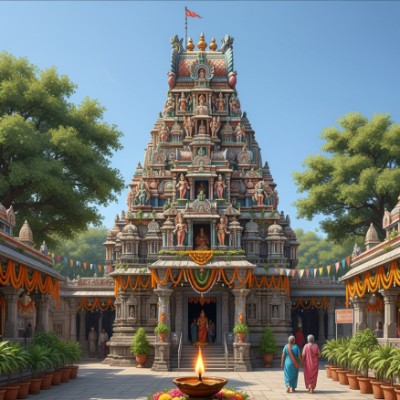
Bhuleshwar Temple, Mumbai holds deep religious significance as an ancient Shaivite shrine dedicated to Lord Shiva, worshipped here in the form of a sacred Shiva lingam. For centuries, the temple has been a place of devotion for local residents, traders, and pilgrims who seek blessings for prosperity, protection, and spiritual well-being. The presence of the Shiva lingam symbolises creation, preservation, and dissolution, core principles of Shaivism.

The temple follows traditional Hindu rituals and daily worship practices, with priests performing abhishek, aarti, and special poojas. Mondays are considered highly auspicious for Lord Shiva, and Bhuleshwar Temple witnesses a steady flow of devotees on these days. During Maha Shivratri, the temple becomes a major centre of prayer, attracting large crowds who observe fasting, night-long worship, and ritual offerings.

Bhuleshwar Temple, Mumbai is not only a place of personal devotion but also a shared spiritual space that connects the community to its ancient religious roots. Its continued relevance highlights the enduring faith traditions that thrive within South Mumbai’s historic neighbourhoods.

Key aspects:

  • ๐Ÿ•‰๏ธ Dedicated to Lord Shiva as Mahadev
  • ๐Ÿ”ฑ Central sanctum housing the sacred Shiva lingam
  • ๐Ÿ“ฟ Important Shaivite pilgrimage site in South Mumbai
  • ๐Ÿ—“๏ธ Special importance of Mondays and Maha Shivratri
  • ๐Ÿ™ Daily rituals, abhishek, and aarti ceremonies
  • ๐Ÿ™๏ธ Spiritual centre within a bustling urban setting
Architecture & Design ๐Ÿงฑ๐Ÿ›๏ธ

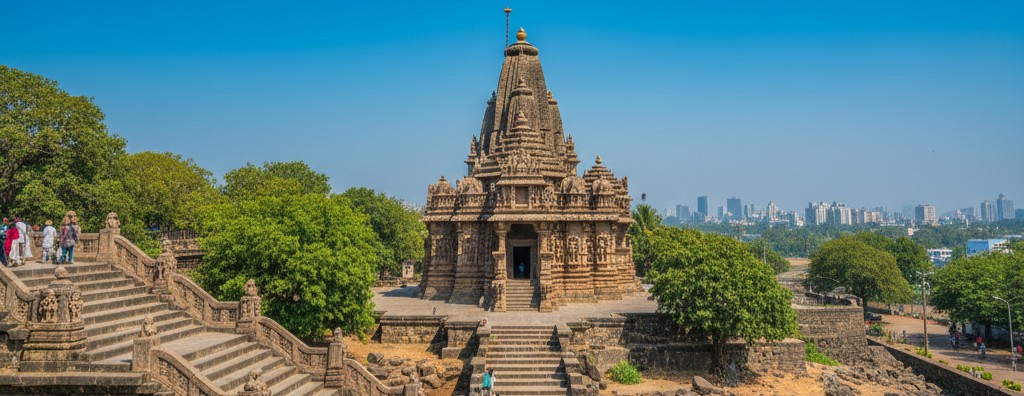
Bhuleshwar Temple, Mumbai reflects the simplicity and strength of medieval Hindu temple architecture found across the Deccan region. The temple is primarily constructed using black basalt stone, a durable material commonly used in ancient structures of Maharashtra. Its architectural style shows clear Hemadpanthi influences, characterised by solid stone construction, minimal exterior ornamentation, and functional design.

The temple features a compact layout with a central sanctum housing the Shiva lingam. Intricately carved stone pillars and structural elements can be observed within the temple premises, reflecting skilled craftsmanship despite the overall modest scale. Unlike grand temple complexes, Bhuleshwar Temple emphasises spiritual focus over architectural grandeur, making it an intimate place of worship.

Over time, the temple has undergone minor repairs and restorations to preserve its structure while maintaining its original character. Set amidst dense urban development, the temple’s stone architecture stands in contrast to the surrounding modern buildings and busy market streets, highlighting its historical continuity.

Key architectural features:

  • ๐Ÿชจ Construction using black basalt stone
  • ๐Ÿ›๏ธ Hemadpanthi-style architectural influence
  • ๐Ÿ• Compact temple plan with central sanctum
  • ๐Ÿช› Intricate stone carvings on pillars and elements
  • ๐Ÿ”ฑ Shiva lingam as the focal architectural feature
  • ๐Ÿ™๏ธ Historic structure preserved within an urban setting


Festivals & Special Occasions

Bhuleshwar Temple, Mumbai becomes especially vibrant during major Hindu festivals dedicated to Lord Shiva and the wider Shaivite tradition. The most significant occasion celebrated here is Maha Shivratri, when devotees gather in large numbers to offer prayers, perform abhishek, and participate in night-long worship. On this day, the temple remains active for extended hours, creating a deeply devotional atmosphere despite its busy urban surroundings.

Mondays are considered sacred to Lord Shiva, and Bhuleshwar Temple witnesses increased footfall every week on this day. Many devotees visit early in the morning to seek blessings before beginning their daily routines. Shravan month, dedicated to Lord Shiva, is another important period marked by special poojas and offerings.

During these festivals and auspicious days, the temple reflects a strong sense of community, with local residents and traders participating in rituals. While celebrations remain traditional and simple, they reinforce the temple’s role as a living spiritual centre within South Mumbai.

Key festivals and occasions:

  • ๐Ÿ•‰๏ธ Maha Shivratri celebrations with special poojas
  • ๐Ÿ—“๏ธ Weekly Monday worship dedicated to Lord Shiva
  • ๐ŸŒฟ Shravan month rituals and offerings
  • ๐Ÿ”ฑ Special abhishek and aarti ceremonies
  • ๐Ÿ™ Increased devotee gatherings during auspicious days
  • ๐Ÿ™๏ธ Community participation within an urban setting


Best Time to Visit ๐Ÿ•ฐ๏ธ

Bhuleshwar Temple, Mumbai becomes especially vibrant during major Hindu festivals dedicated to Lord Shiva and the wider Shaivite tradition. The most significant occasion celebrated here is Maha Shivratri, when devotees gather in large numbers to offer prayers, perform abhishek, and participate in night-long worship. On this day, the temple remains active for extended hours, creating a deeply devotional atmosphere despite its busy urban surroundings.

Mondays are considered sacred to Lord Shiva, and Bhuleshwar Temple witnesses increased footfall every week on this day. Many devotees visit early in the morning to seek blessings before beginning their daily routines. Shravan month, dedicated to Lord Shiva, is another important period marked by special poojas and offerings.

During these festivals and auspicious days, the temple reflects a strong sense of community, with local residents and traders participating in rituals. While celebrations remain traditional and simple, they reinforce the temple’s role as a living spiritual centre within South Mumbai.

Key festivals and occasions:

  • ๐Ÿ•‰๏ธ Maha Shivratri celebrations with special poojas
  • ๐Ÿ—“๏ธ Weekly Monday worship dedicated to Lord Shiva
  • ๐ŸŒฟ Shravan month rituals and offerings
  • ๐Ÿ”ฑ Special abhishek and aarti ceremonies
  • ๐Ÿ™ Increased devotee gatherings during auspicious days
  • ๐Ÿ™๏ธ Community participation within an urban setting
Visitor Experience / Darshan Timings

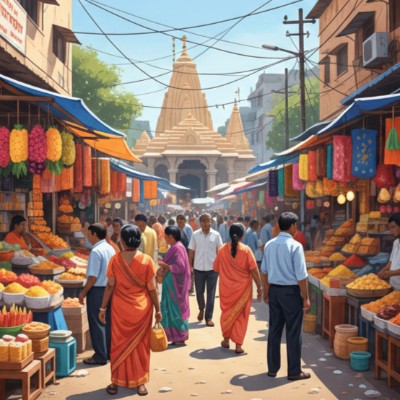
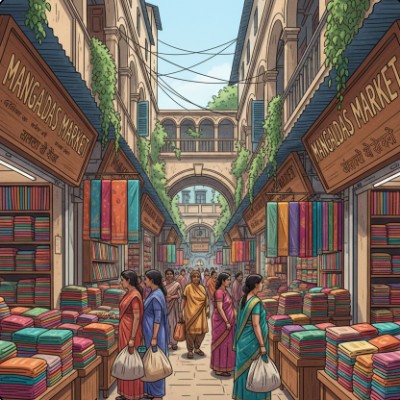
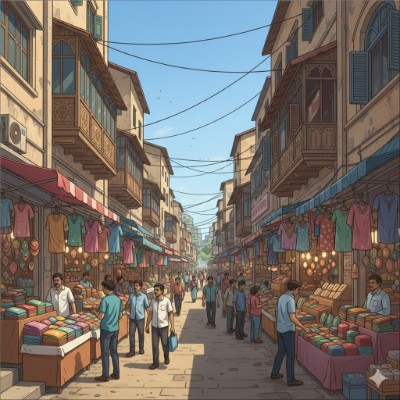
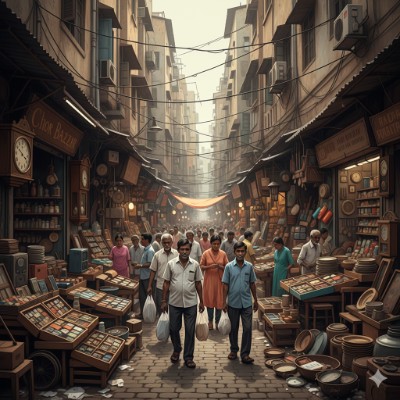
Visiting Bhuleshwar Temple, Mumbai offers a unique spiritual experience shaped by its location within one of South Mumbai’s busiest commercial districts. The approach to the temple takes visitors through narrow lanes lined with traditional shops and markets, creating a sharp contrast to the calm and devotional atmosphere inside the temple. Many devotees describe a sense of peace upon entering the sanctum despite the surrounding urban activity.

The temple is visited throughout the day, with mornings and evenings being the most preferred times for darshan. Early morning hours are ideal for those seeking a quieter experience, while evenings often see increased footfall from local residents after work. Mondays and festival days are significantly more crowded, and visitors should expect longer waiting times during these periods.

Darshan timings may vary slightly on special occasions, but the temple generally follows a consistent daily schedule. Visitors are advised to dress modestly and follow temple customs. Photography is usually restricted inside the sanctum to maintain the sanctity of the space.

Key visitor experience details:

  • ๐Ÿšถ Entry through narrow market lanes of Bhuleshwar
  • ๐Ÿ•ฏ๏ธ Calm inner sanctum amid a busy locality
  • ๐ŸŒ… Morning darshan preferred for a peaceful visit
  • ๐ŸŒ† Evening darshan popular with local devotees
  • ๐Ÿ—“๏ธ Heavy crowds on Mondays and festivals
  • ๐Ÿ“ธ Limited photography inside the temple


How to Reach ๐ŸšŒ๐Ÿš‡

Bhuleshwar Temple, Mumbai is located in the heart of South Mumbai, within the Bhuleshwar–Kalbadevi market area. Due to its central location, the temple is well connected by local trains, buses, taxis, and metro services. However, the final approach involves walking through narrow and crowded market lanes.

By Air:
- Chhatrapati Shivaji Maharaj International Airport is approximately 22–24 km away.
- From the airport, visitors can take a taxi or app-based cab to South Mumbai.
- The journey usually takes 45 to 75 minutes depending on traffic, with approximate fares ranging from โ‚น500 to โ‚น900.

By Train:
- The nearest railway stations are Marine Lines (Western Line) and Chhatrapati Shivaji Maharaj Terminus (Central Line).
- From Marine Lines station, the temple is about 1.5 km away, while CST is around 2 km away.
- Local train fares are economical, generally ranging from โ‚น10 to โ‚น30.

By Metro / Road:
- The closest metro connectivity is via South Mumbai access routes combined with taxis or buses.
- BEST buses regularly operate to Kalbadevi and Bhuleshwar Road from various parts of Mumbai, with fares usually between โ‚น10 and โ‚น40.
- Taxis and auto-rickshaws are available up to nearby main roads, after which a short walk is required. 

Key travel notes:

  • ๐Ÿ›ฌ Airport to temple by taxi or cab
  • ๐Ÿš† Easy access via Western and Central Railway lines
  • ๐ŸšŒ Affordable BEST bus connectivity
  • ๐Ÿšถ Short walk through market lanes required
  • ๐Ÿš• Taxis best for first-time visitors
  • โฐ Extra travel time during peak hours
Food Options / Food Courts Nearby ๐Ÿฝ๏ธ

The area surrounding Bhuleshwar Temple, Mumbai is well known for its vibrant street food culture and traditional eateries that cater to shoppers, traders, and devotees. Visitors can find a wide range of vegetarian food options within walking distance of the temple, reflecting the religious nature of the locality. Most food outlets here serve quick, affordable meals ideal for a short break after darshan.

Popular food choices include South Indian snacks, Maharashtrian dishes, and classic Mumbai street food. From simple vada pav stalls to traditional eateries serving thalis and snacks, the area offers something for every budget.

Non-vegetarian options are limited near the temple due to its sacred surroundings but are available slightly farther away.

Food prices in the Bhuleshwar and Kalbadevi area are generally economical, making it convenient for visitors to eat without spending much. Hygiene varies by outlet, so choosing well-known shops or busy stalls is recommended.

Key food-related highlights:

  • ๐Ÿฅ— Predominantly vegetarian food options
  • ๐ŸŒฎ Street food and traditional eateries nearby
  • ๐Ÿฝ๏ธ South Indian and Maharashtrian dishes available
  • ๐Ÿ’ฐ Budget-friendly pricing for all visitors
  • ๐Ÿšถ Walking distance from the temple
  • ๐Ÿงผ Choose crowded stalls for better hygiene


Food Options / Food Courts Nearby ๐Ÿฝ๏ธ

The area surrounding Bhuleshwar Temple, Mumbai is well known for its vibrant street food culture and traditional eateries that cater to shoppers, traders, and devotees. Visitors can find a wide range of vegetarian food options within walking distance of the temple, reflecting the religious nature of the locality. Most food outlets here serve quick, affordable meals ideal for a short break after darshan.

Popular food choices include South Indian snacks, Maharashtrian dishes, and classic Mumbai street food. From simple vada pav stalls to traditional eateries serving thalis and snacks, the area offers something for every budget.

Non-vegetarian options are limited near the temple due to its sacred surroundings but are available slightly farther away.

Food prices in the Bhuleshwar and Kalbadevi area are generally economical, making it convenient for visitors to eat without spending much. Hygiene varies by outlet, so choosing well-known shops or busy stalls is recommended.

Key food-related highlights:

  • ๐Ÿฅ— Predominantly vegetarian food options
  • ๐ŸŒฎ Street food and traditional eateries nearby
  • ๐Ÿฝ๏ธ South Indian and Maharashtrian dishes available
  • ๐Ÿ’ฐ Budget-friendly pricing for all visitors
  • ๐Ÿšถ Walking distance from the temple
  • ๐Ÿงผ Choose crowded stalls for better hygiene


Tips & Local Hacks

Visiting Bhuleshwar Temple, Mumbai can be a rewarding experience when planned with a few practical tips in mind. Since the temple is located within a busy market area, visitors should be prepared for crowds, narrow lanes, and limited vehicle access. Wearing comfortable footwear is recommended, as reaching the temple often involves walking through congested streets.

Early morning visits are ideal for those seeking a peaceful darshan and easier movement around the area. Visitors should dress modestly in keeping with temple traditions and be mindful of local customs. Valuables should be kept secure, especially during festivals and peak hours, due to heavy crowds.

It is advisable to combine the temple visit with nearby heritage or shopping spots to make the most of the trip. Visitors should also be cautious about photography rules and avoid taking pictures inside the sanctum unless permitted.

Helpful tips and local hacks:

  • ๐Ÿ‘Ÿ Wear comfortable footwear for walking
  • โฐ Visit early morning for fewer crowds
  • ๐ŸŽ’ Keep belongings secure in busy areas
  • ๐Ÿ™ Dress modestly and respect temple customs
  • ๐Ÿ“ธ Follow photography guidelines
  • ๐Ÿ›๏ธ Combine visit with nearby heritage spots


Places Nearby Bhuleshwar Temple
Frequently Asked Questions
Q1: What is Bhuleshwar Temple, Mumbai famous for?
A1: Bhuleshwar Temple, Mumbai is famous as an ancient Shaivite temple dedicated to Lord Shiva, believed to date back to the 12thโ€“13th century. It is known for its medieval Deccan architecture, basalt stone construction, and spiritual calm amid a busy South Mumbai market area.
Q2: Where is Bhuleshwar Temple, Mumbai located?
A2: Bhuleshwar Temple, Mumbai is located on Bhuleshwar Road in the Kalbadevi area of South Mumbai. The temple lies within one of the cityโ€™s oldest trading districts, surrounded by traditional markets and narrow lanes.
Q3: Which deity is worshipped at Bhuleshwar Temple, Mumbai?
A3: Bhuleshwar Temple, Mumbai is dedicated to Lord Shiva, worshipped in the form of a sacred Shiva lingam. The temple follows Shaivite traditions and daily Hindu rituals.
Q4: How old is Bhuleshwar Temple, Mumbai?
A4: Bhuleshwar Temple, Mumbai is believed to have been constructed during the 12thโ€“13th century, making it one of the oldest surviving Hindu temples in South Mumbai with medieval Deccan origins.
Q5: What architectural style is seen at Bhuleshwar Temple, Mumbai?
A5: Bhuleshwar Temple, Mumbai displays Hemadpanthi-style architectural influences, characterised by black basalt stone construction, a compact layout, minimal ornamentation, and a strong structural design typical of medieval Deccan temples.
Q6: What is the best time to visit Bhuleshwar Temple, Mumbai?
A6: The best time to visit Bhuleshwar Temple, Mumbai is early morning for a peaceful darshan. The months between October and February offer pleasant weather, while Mondays and festivals attract larger crowds.
Q7: Is Bhuleshwar Temple, Mumbai crowded on Mondays?
A7: Yes, Bhuleshwar Temple, Mumbai is usually more crowded on Mondays, as the day is considered highly auspicious for Lord Shiva. Devotees visit in large numbers for special prayers and abhishek.
Q8: How can I reach Bhuleshwar Temple, Mumbai by train?
A8: Bhuleshwar Temple, Mumbai can be reached by train via Marine Lines station on the Western Line or Chhatrapati Shivaji Maharaj Terminus on the Central Line, followed by a short walk or taxi ride through the Bhuleshwar area.
Q9: Is photography allowed inside Bhuleshwar Temple, Mumbai?
A9: Photography inside the sanctum of Bhuleshwar Temple, Mumbai is generally restricted to maintain religious sanctity. Visitors are advised to follow temple guidelines and seek permission if unsure.
Q10: What festivals are celebrated at Bhuleshwar Temple, Mumbai?
A10: Bhuleshwar Temple, Mumbai celebrates major Shaivite festivals such as Maha Shivratri, weekly Monday worship, and rituals during the Shravan month, attracting large numbers of devotees.
Q11: Are food options available near Bhuleshwar Temple, Mumbai?
A11: Yes, the area around Bhuleshwar Temple, Mumbai offers numerous vegetarian food options, including street food stalls and traditional eateries serving South Indian and Maharashtrian dishes at budget-friendly prices.
Q12: Is Bhuleshwar Temple, Mumbai different from Bhuleshwar Temple near Pune?
A12: Yes, Bhuleshwar Temple, Mumbai is different from the Bhuleshwar Temple near Pune at Yawat. While both are Shaivite temples with medieval origins, the Mumbai temple is known for its urban heritage setting, whereas the Pune temple is located on a hilltop.
Q13: Is Bhuleshwar Temple, Mumbai a protected heritage site?
A13: Bhuleshwar Temple, Mumbai is recognised for its historical and cultural importance and is often referenced in heritage records and South Mumbai heritage walks, reflecting its medieval origins and long-standing religious significance.
Q14: What should visitors wear while visiting Bhuleshwar Temple, Mumbai?
A14: Visitors to Bhuleshwar Temple, Mumbai are advised to wear modest and respectful clothing, covering shoulders and knees, in keeping with traditional Hindu temple customs and local practices.
Q15: How much time is needed to visit Bhuleshwar Temple, Mumbai?
A15: A typical visit to Bhuleshwar Temple, Mumbai takes around 20 to 40 minutes, depending on crowd levels, darshan waiting time, and personal prayer duration.
Q16: Can Bhuleshwar Temple, Mumbai be visited as part of a heritage walk?
A16: Yes, Bhuleshwar Temple, Mumbai is frequently included in South Mumbai heritage walks, along with nearby temples, markets, and historic neighbourhoods, due to its age and cultural relevance.
Q17: Is Bhuleshwar Temple, Mumbai suitable for senior citizens?
A17: Bhuleshwar Temple, Mumbai is suitable for senior citizens, though visitors should be prepared for walking through narrow market lanes and occasional crowding, especially during peak hours and festivals.